Solving The Rubik’s Cube

Solving The Rubik’s Cube

Solving The Rubik’s Cube

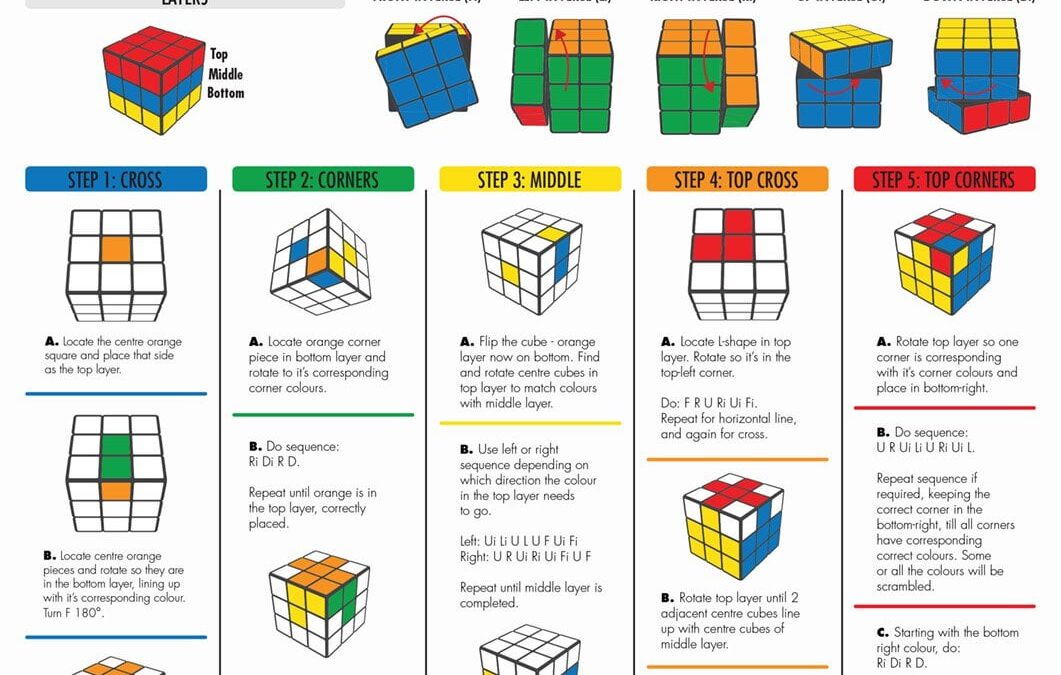
This visual and colorful infographic provides the steps needed for solving the Rubik’s Cube.

The Rubik’s Cube originally was created as a model to explain 3D geometry, and it took the inventor one month to solve it!

30+ years later, the Rubik’s cube lives on as an easily recognizable and portable puzzle, find out how to finally crack the puzzle!

Fun Fact

Every single position on a Rubik’s Cube can be resolved in 20 moves or less!
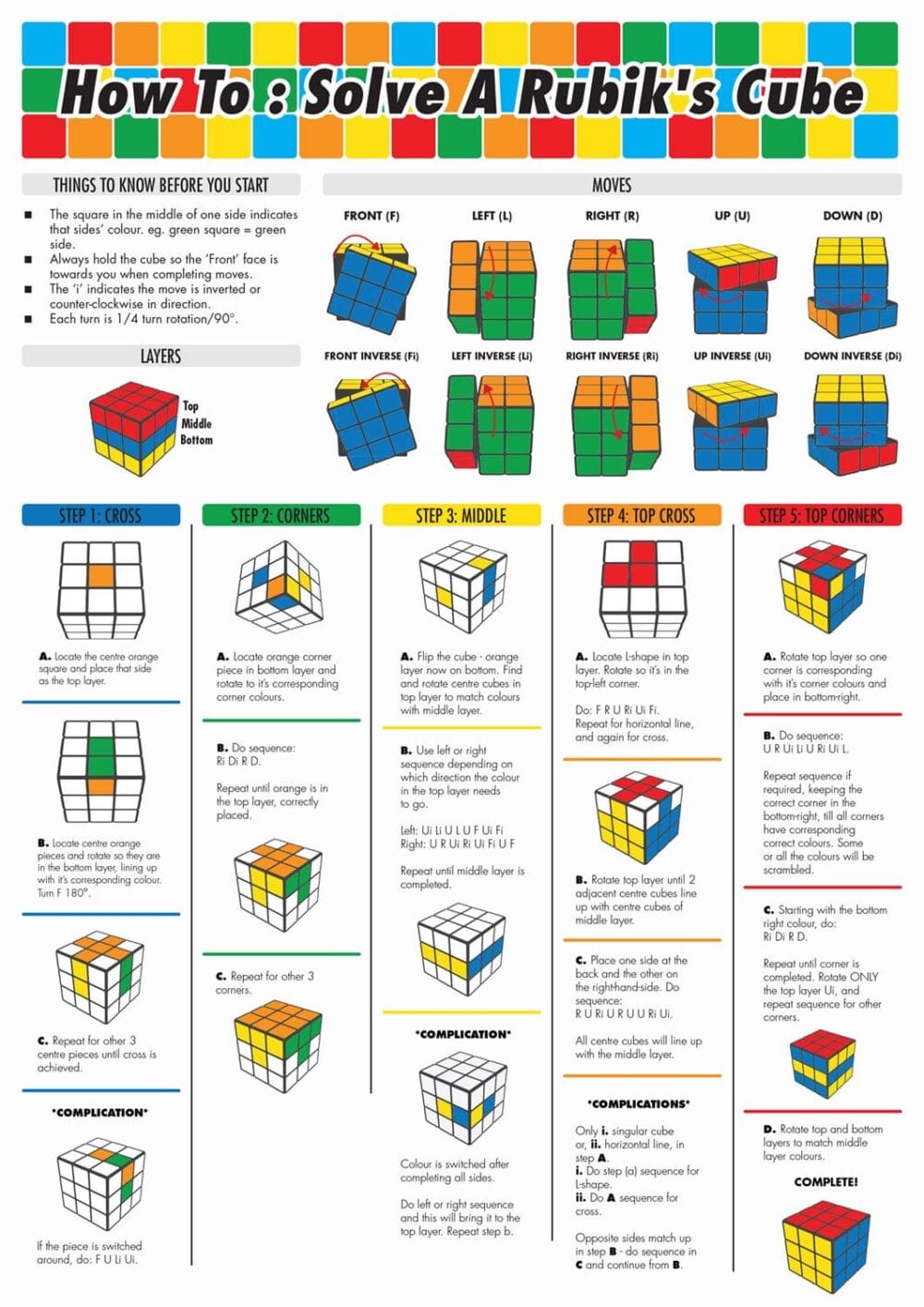
This fun infographic was created by Ayana for Daily Infographic.

If you are interested in more please check out our Infographics page.

It’s packed full of infographics and educational topics.

We recommend checking out The Power of Laughter.

Or be sure to see Boy Masters The Rubiks Cube With Feet!
History Of Everyday Inventions

History Of Everyday Inventions

History Of Everyday Inventions

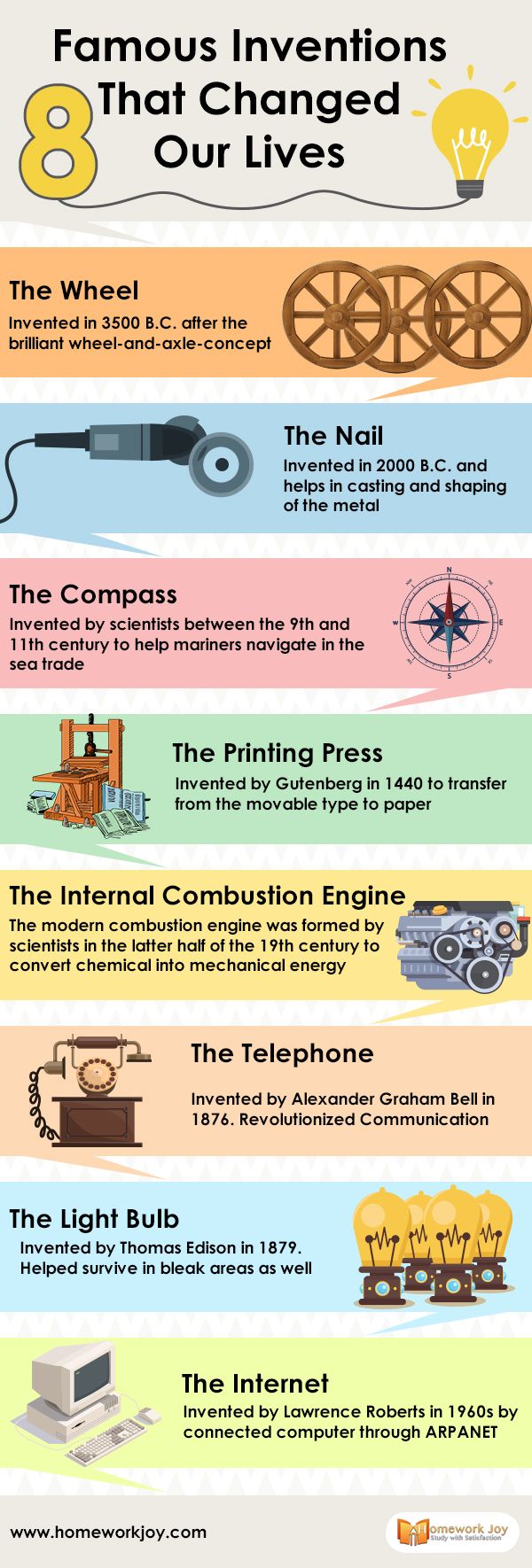
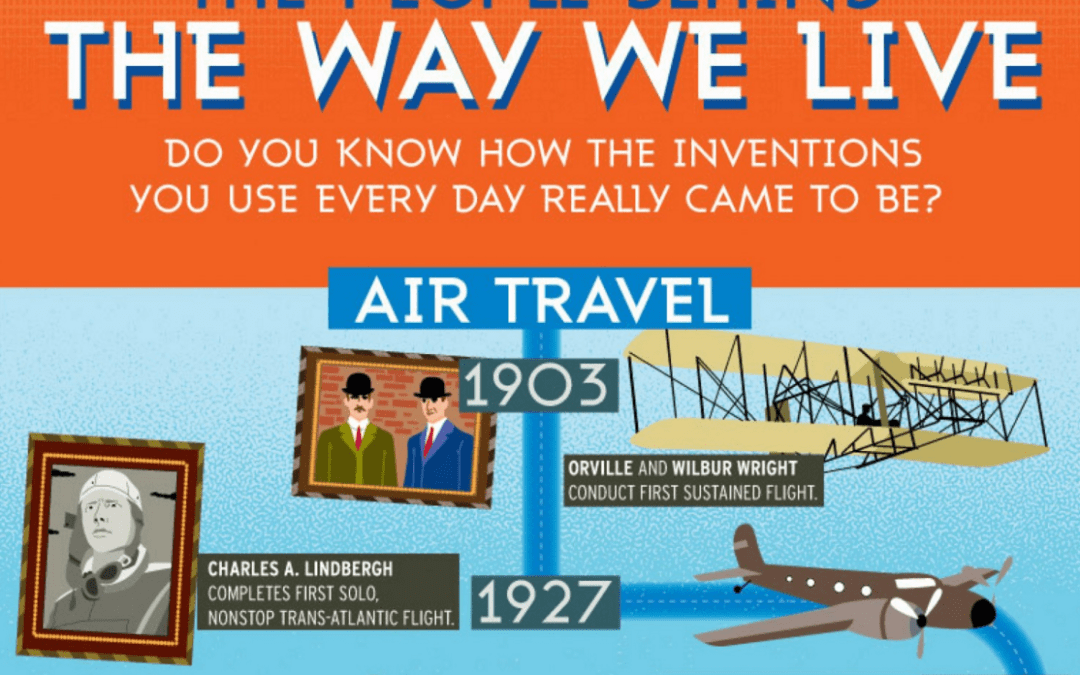
Check out this cool infographic featuring the history of inventions we use in our everyday lives.

From the Wright Brothers to Steve Jobs, these inventors certainly have had a huge impact on the way we live our lives today!

Fun Fact

Thomas Edison’s first patented invention was a vote counting device back in 1869!

If you are interested in more please check out our Infographics page.

It’s packed full of infographics and educational topics.

We recommend checking out The History of Colour.

Or for more inventions check out this Machine That Cleans Our Oceans.

Words Of Wisdom – Albert Einstein

Words Of Wisdom – Albert Einstein

Words Of Wisdom – Albert Einstein

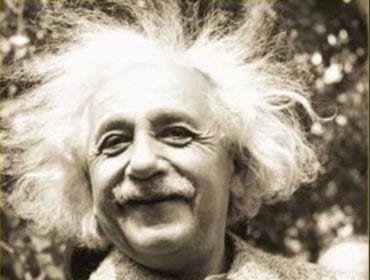
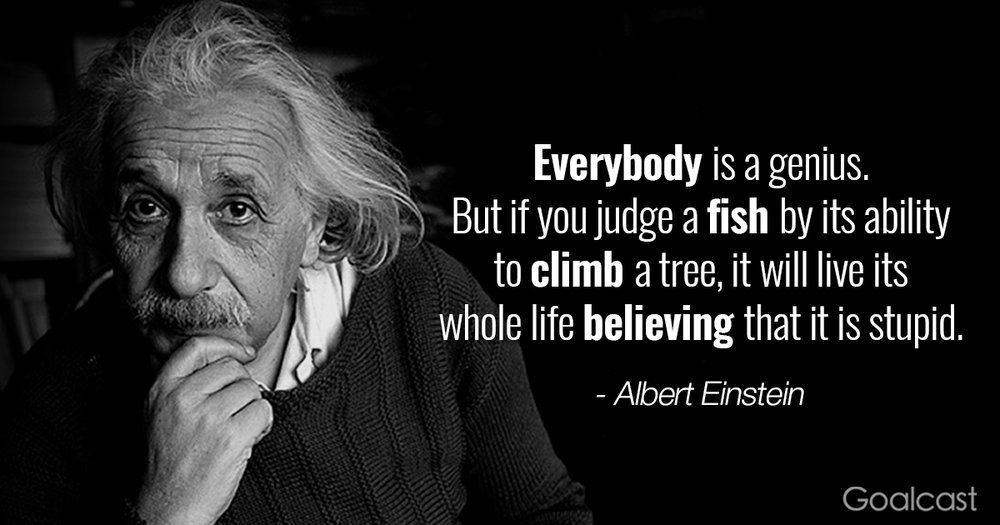
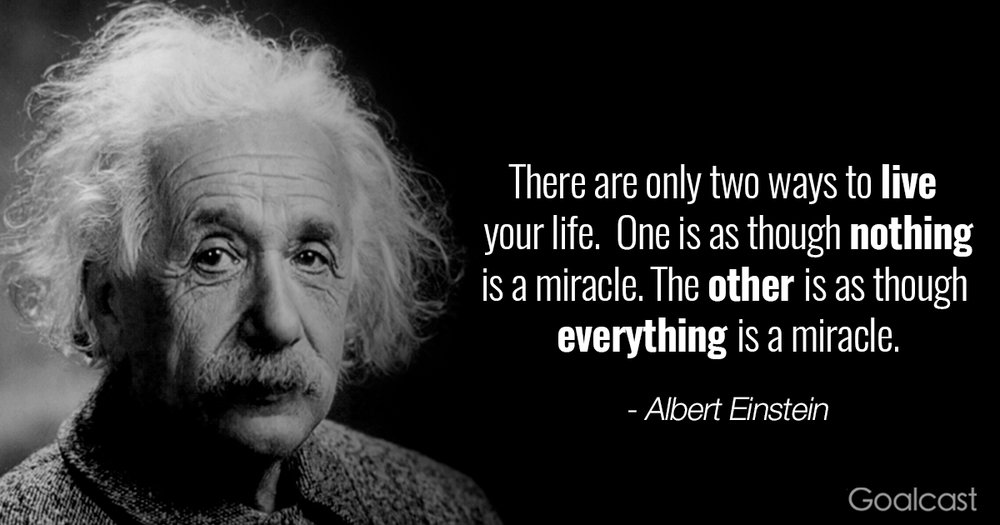
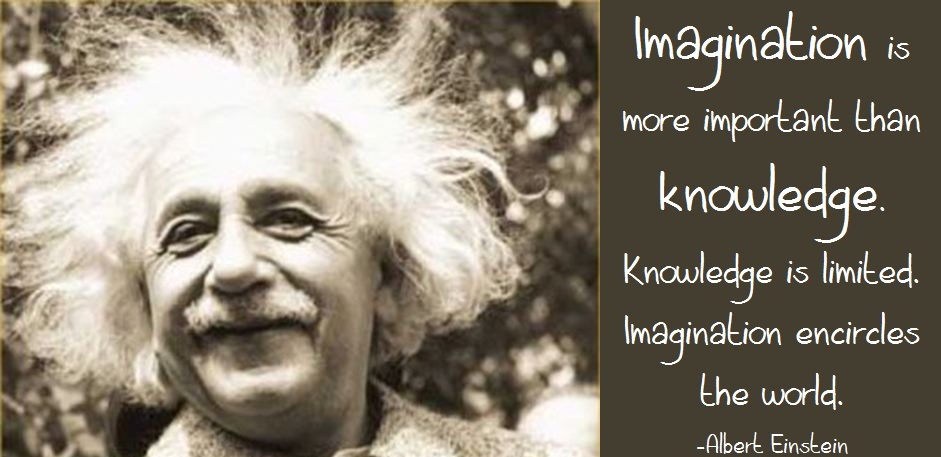
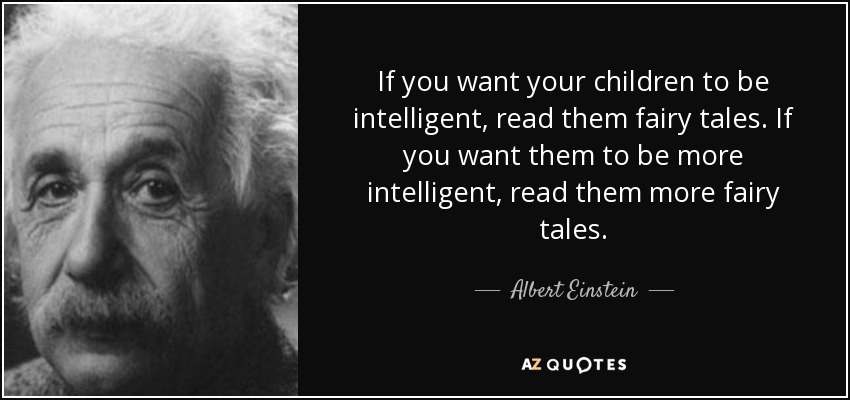
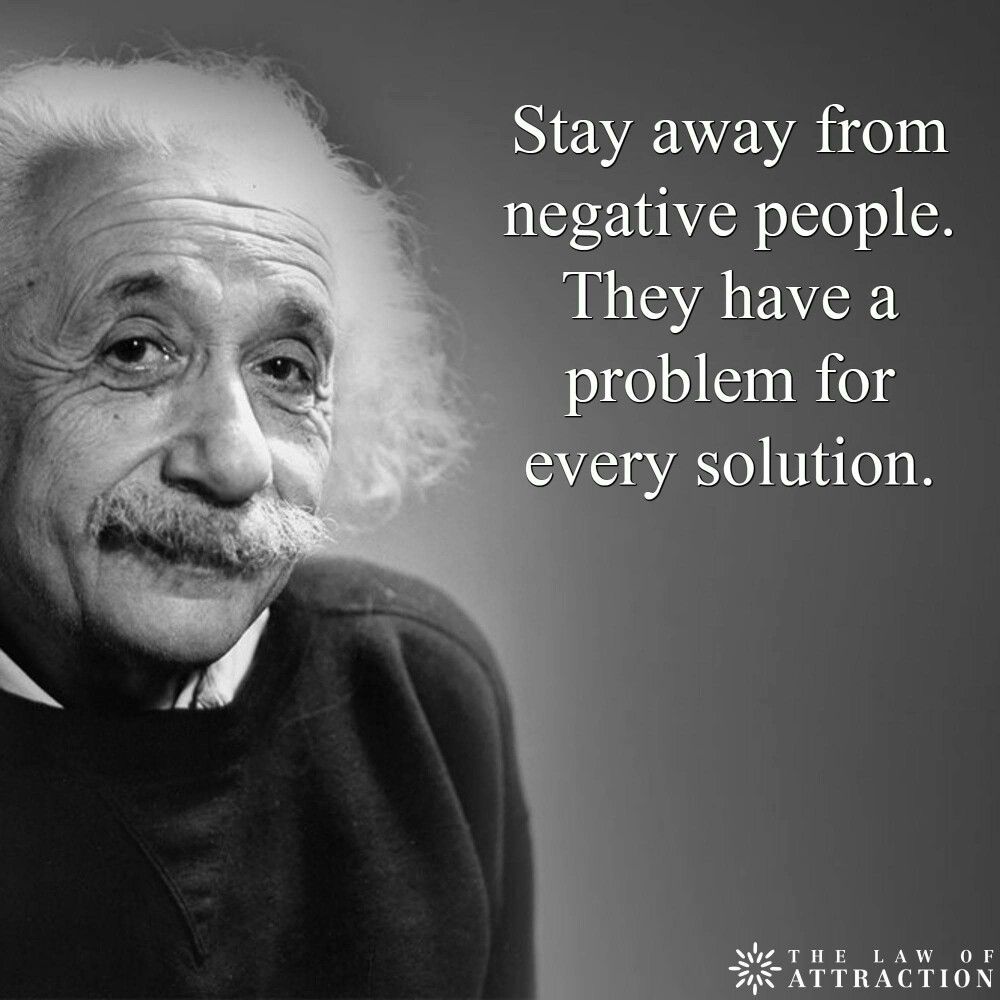
Albert Einstein is known as one of the greatest minds in history, it’s no surprise he was also filled with many words of wisdom!

When someone says the word genius, most of us conjure up an image of the iconic Albert Einstein with good reason.

He is one of the world’s most influential scientists and inventors in the world, developing the theory of relativity, one of the two pillars of modern physics alongside quantum mechanics.

In The Beginning

 Born in 1979 in Germany, he didn’t talk until he was four years old, and even then he would repeat words and sentences over and over again until he was seven.

His father gave him a simple pocket compass when he was five, which became his favorite toy and led to him developing a passionate curiosity about mathematics, science, and magnetism.

He had no interest in grammar and he loved playing the violin and the piano. Albert said, “If I were not a physicist, I would probably be a musician as I often think in music. I live my daydreams in music and I see my life in terms of music…

I do know that I get most joy in life out of my violin.” Einstein struggled with authority and discipline, leading him to be expelled from a school, one headmaster saying “nothing would ever come of him.”

How wrong they were, by sixteen the budding genius would publish his first scientific paper.

The Famous Theories

In 1915 he rocked the world with his Theory of Relativity. In 1919 the theory was proven right by an experiment.

He became famous literally overnight and all of a sudden he got invitations to go all over the place, as well as getting honors from all over the world!

He received the 1921 Nobel Prize in Physics “for his services to theoretical physics, and especially for his discovery of the law of the photoelectric effect”, a pivotal step in the development of quantum theory.

Besides a love of logical things, Einstein also enjoyed nature and music. One of his favorite things to do was to head out onto the lake in a boat and take his notebook with him, to think and write everything down.

He couldn’t swim at all, but he carried on sailing right throughout his life.

There are plenty more great insight posts in Words of Wisdom.

Words of Wisdom from Patti Smith is surely worth a visit!
Or perhaps you may be more interested in Words of Wisdom From Leonardo DaVinci.

Crazy Coffee Facts

Crazy Coffee Facts

Crazy Coffee Facts

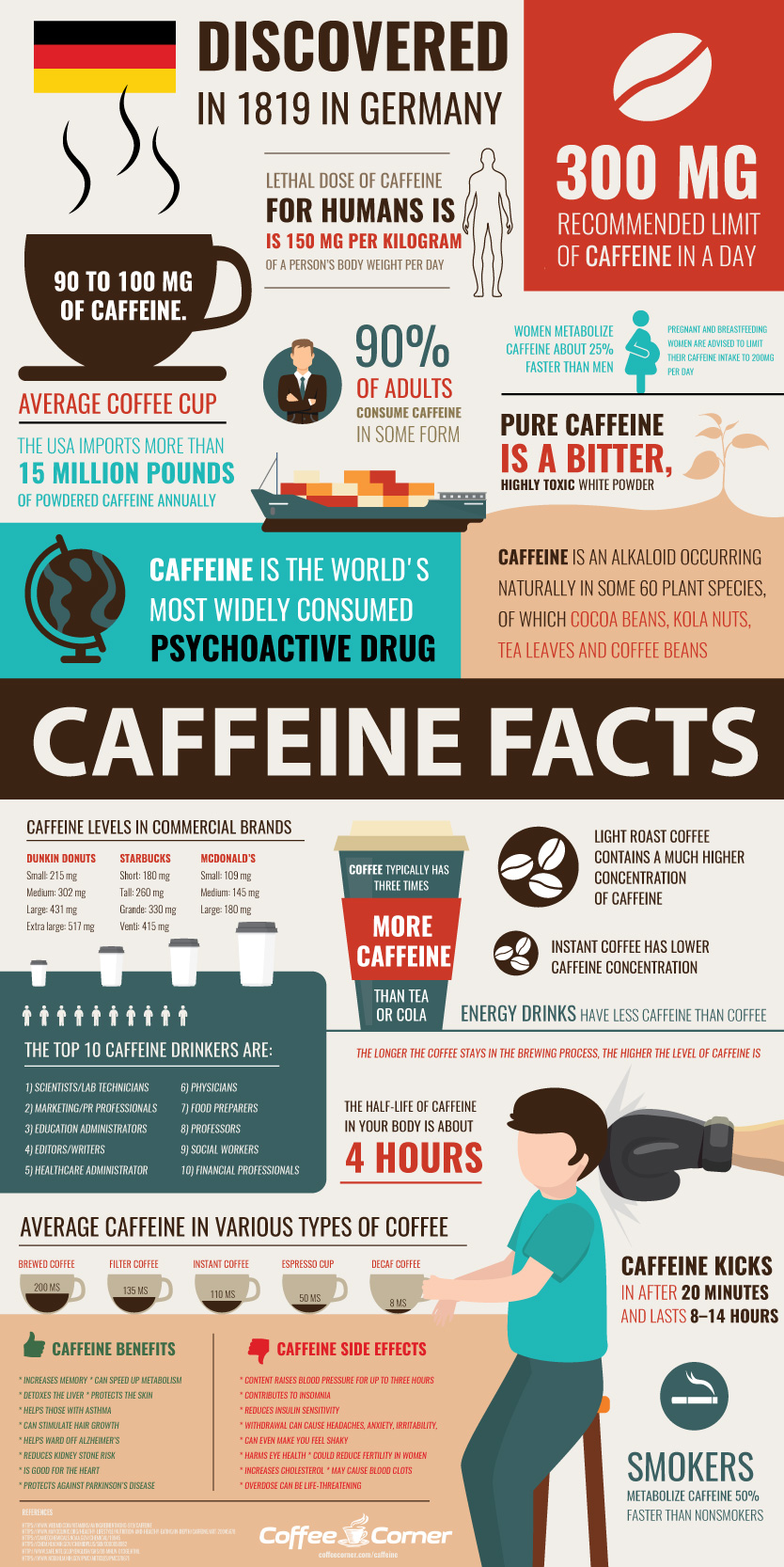
Learn about the legend of coffee and some crazy facts about one of the world’s most beloved beverages below. It’s time for another cup!
THE LEGEND OF COFFEE
There is a popular Ethiopian legend wherein coffee is discovered by a goat herder named Kaldi.

The story says the herder found his goats frolicking and full of energy after eating the red fruit of the coffee shrub. Kaldi tried the fruit for himself and had a similar reaction.

Thus the stimulating properties of the coffee bean were revealed and greatness follows.

This coffee infographic was created by Infographic Journal.

“Infographic Journal is an infographic archive that focuses solely on showcasing the best infographics all in place. Also referred to as “information graphics,” infographics are graphic visual representations of information, data or knowledge.”

If you are interested in more please check out our Infographics page.

It’s packed full of infographics and educational topics.

We recommend checking out The History of Colour.

Or for a laugh, you might enjoy When Cats Drink Coffee.

10 Simple Science Experiments With Water

10 Simple Science Experiments With Water

10 Simple Science Experiments With Water

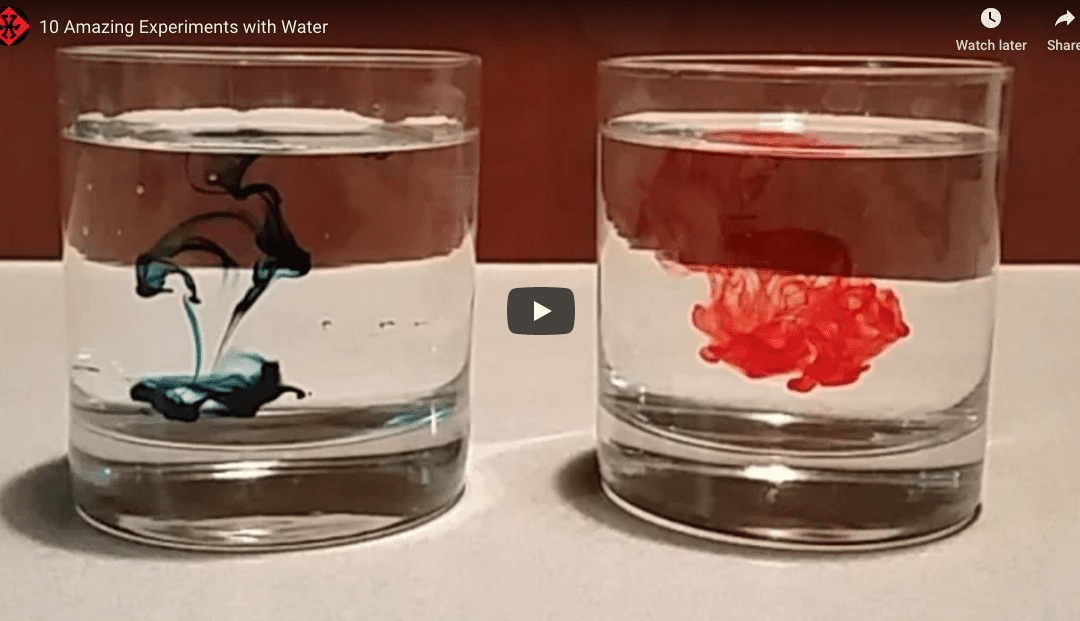
This simple and visual science experiment demonstration video by Drew the Science features 10 experiments that you can do all using water!

Featuring experiments that demonstrate big concepts in a fun way such as color chromatography, atmospheric pressure, and optical inversion.

“I am an Applied Physicist (CSUSM Alumni) and I make educational science videos that provide simple demonstrations that can be replicated at home.” Drew the Science Dude

Find more Science fun from Drew the Science Dude here: www.youtube.com/channel/UC6nbPIfwyPV1Q_o49kqwH7Q/featured

The Golden Age Of Pirates

The Golden Age Of Pirates

The Golden Age Of Pirates

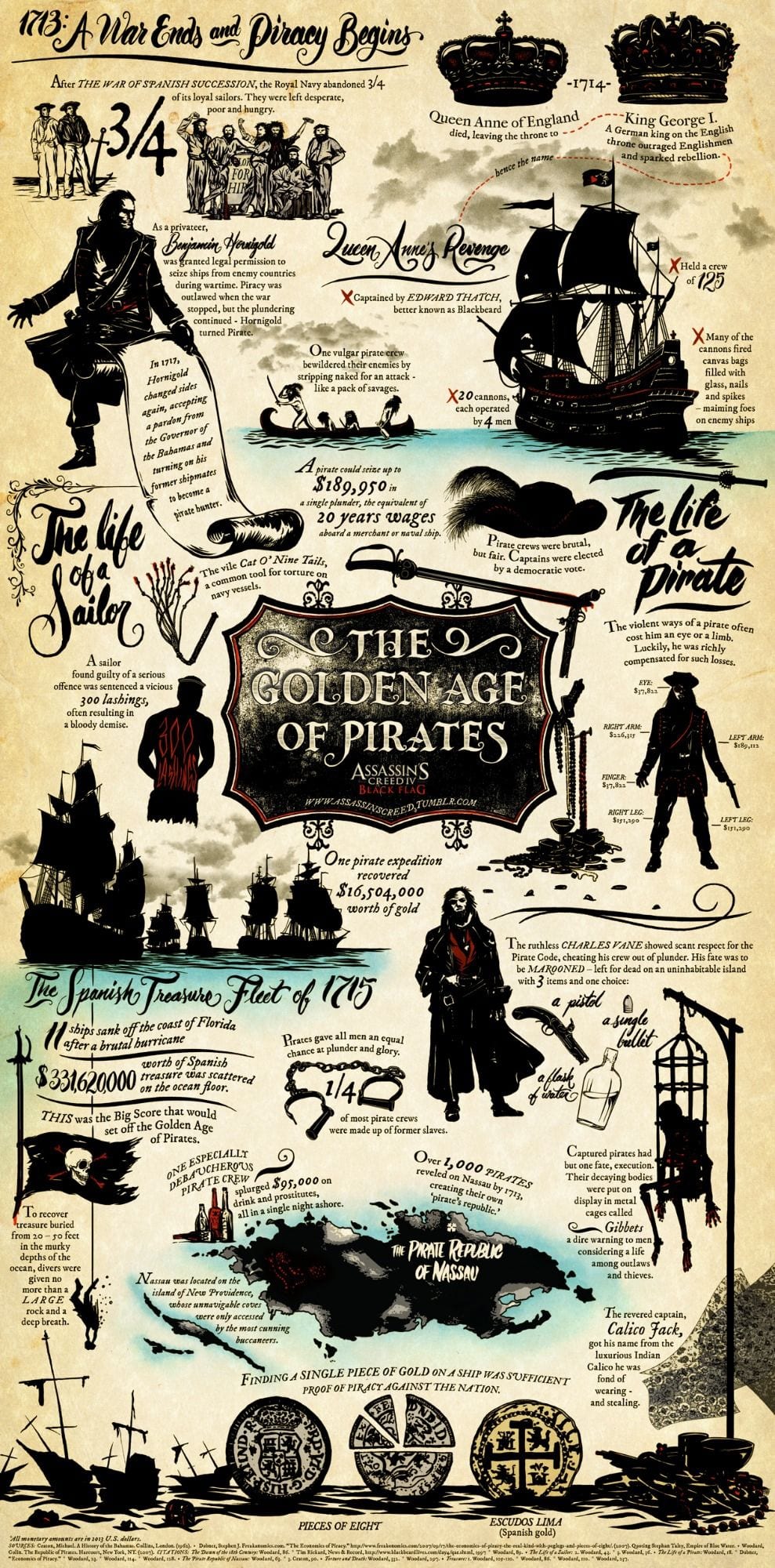
Yarrr, it was the golden age for pirates, and it all began with the end of a war!

In 1713 a war ends, and piracy begins! Learn all about it with this super cool infographic in a classic treasure map presentation.

“Not all treasure is silver and gold, mate.” – Jack Sparrow

If you are interested in more please check out our Infographics page.

It’s packed full of infographics and educational topics.

We recommend checking out The History of Light.

Or for more fun on the high seas we recommend this Lego Pirate Name Generator.

Creative Math Games For Kids

Creative Math Games For Kids

Creative Math Games For Kids

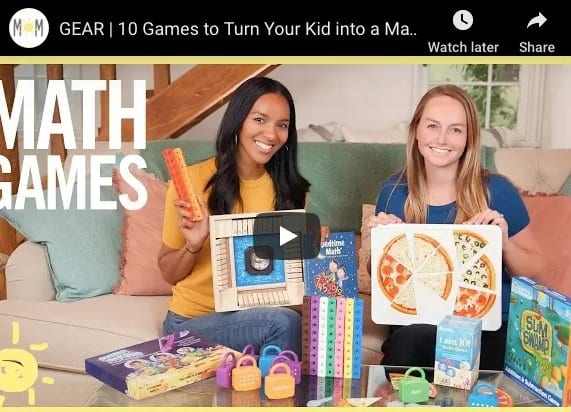
In this 3 minute video, the fun-loving What’s Up Mom’s demonstrate 10 creative ways to make learning fun with math games for kids!

Each kiddo is unique in their own special way, some love math, some not so much. One thing is for sure though every kiddo loves to have fun!

“Learning how to add & subtract has come a LONG way since the flash cards we used as kids. We’ve rounded up SUM of our favorite games & tools that’ll actually get your kids excited to learn about math! “ What’s Up Moms

This video was created by What’s Up Moms.

“Created by moms, for moms, our videos are always short, helpful, and sometimes funny.”

Looking for more fun stuff you can do at home? Check out Do It Yourself.

It’s packed full of amazing DIY videos like Fun Spy Games For Kids.

Or check out these 15 Fun Pen and Paper Games.

Five Magical Nebulas

Five Magical Nebulas

Five Magical Nebulas

What exactly is a Nebula? Nasa explains them like this:

“A nebula is a giant cloud of dust and gas in space. Some nebulae (more than one nebula) come from the gas and dust thrown out by the explosion of a dying star, such as a supernova.” NASA

Most nebulae are of vast size, some are hundreds of light years in diameter. A nebula that is barely visible to the human eye from Earth would appear larger, but no brighter, from close by.

Scroll down to see some of the spectacular Nebula’s and their fast stats kudos of Astronomy Is Awesome below.

“We strive to create amazing and unique content about all things related to Space and Astronomy.” Astronomy Is Awesome

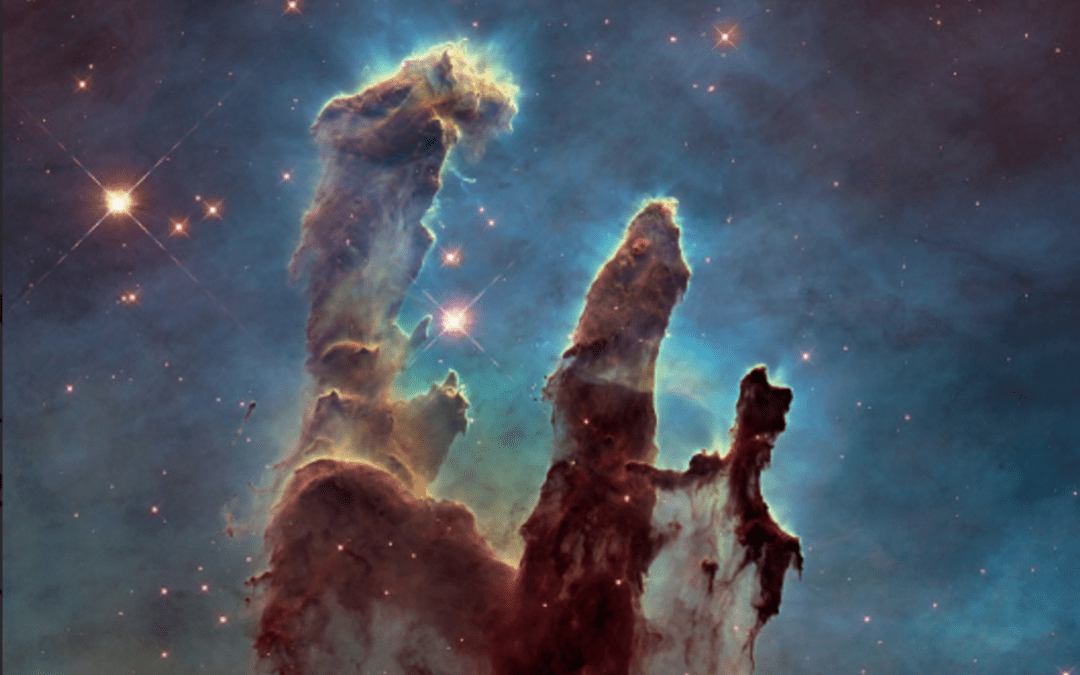
1.) THE EAGLE NEBULA

  • The Eagle Nebula is Distance from Earth: ~7,000 Light Years, 41,150,377,612,285,254 Miles

  • Location: Serpens Constellation

  • Diameter: ~110 Light Years, 646,648,791,050,196 Miles

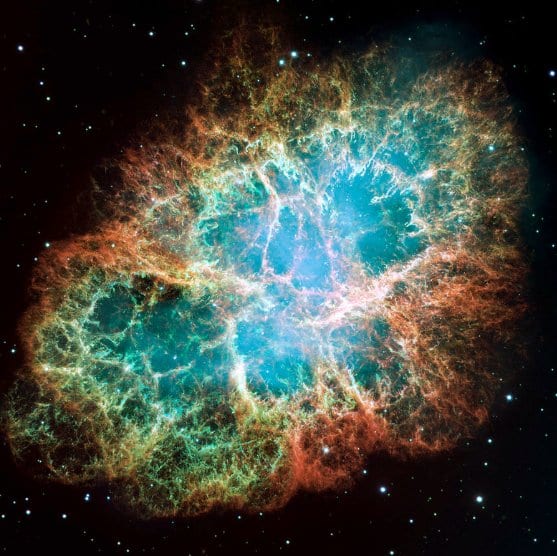
2.) THE CRAB NEBULA

  • Distance from Earth: 6,523 Light Years, 38,346,273,309,276,673 Miles

  • Location: Taurus Constellation

  • Diameter: ~11 Light Years, 64,664,879,105,019 Miles

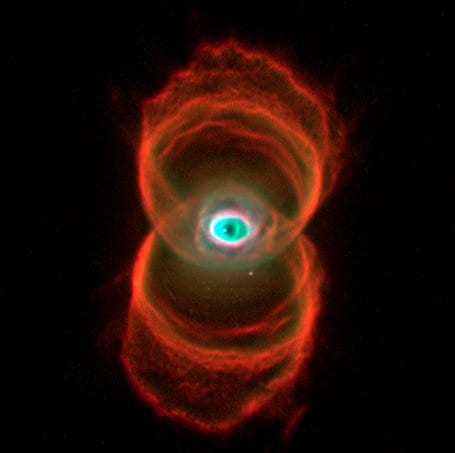
3.) THE HOURGLASS NEBULA

  • Distance from Earth: 8,154 Light Years, 47,934,311,292,939,137 Miles

  • Location: Musca Constellation

  • Diameter: ~1 light year, 5,878,625,373,183 Miles

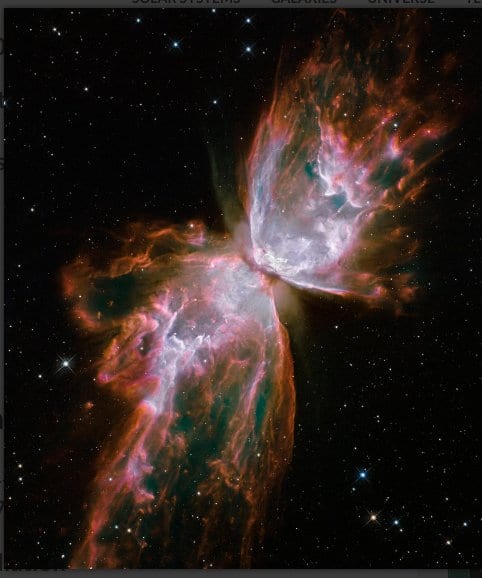
4.) THE BUTTERFLY NEBULA

  • Distance from Earth: ~4,000 Light Years, 23,514,501,492,734,430 Miles

  • Location: Scorpius Constellation

  • Diameter: ~3 Light Years, 17,635,876,119,550 Miles

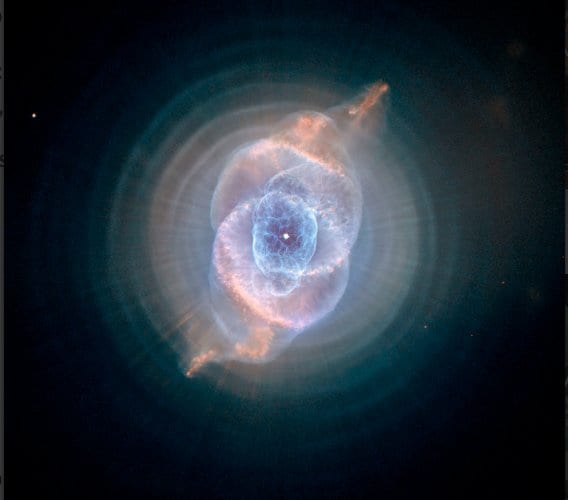
5.) THE CATS EYE NEBULA

  • Distance from Earth: 3,262 Light Years, 19,176,075,967,324,928 Miles

  • Location: Draco Constellation

  • Diameter: ~4.5 Light Years, 26,453,814,179,326 Miles

If you enjoyed this article, you may like this infographic featuring 10 Facts About Mercury or this video where astronauts answer questions from the internet.

The Power of Recycling Infographic

The Power of Recycling Infographic

The Power of Recycling Infographic

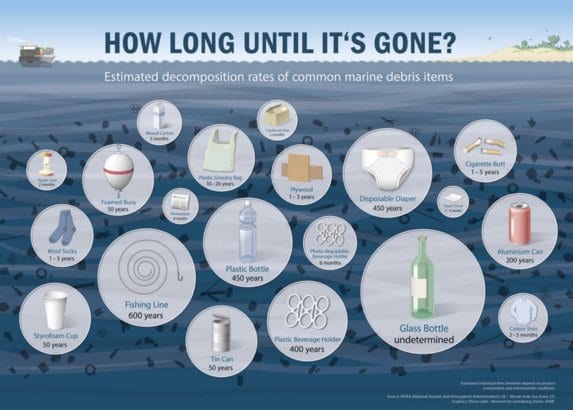
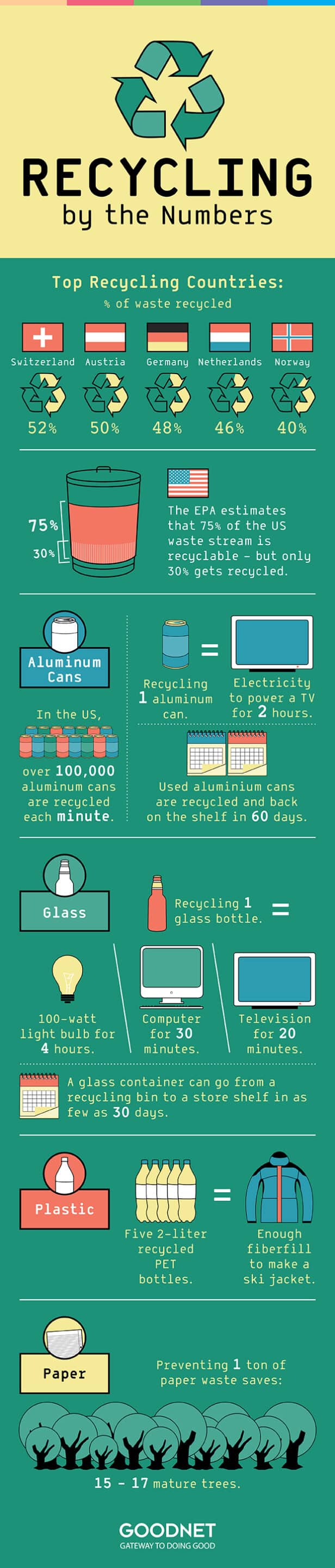
These two infographics help highlight the power of recycling, and how long it takes for different types of materials to decompose.

They also highlight the effects plastic have had on our world.

Both infographics are great for visually educating kids on the power and importance of recycling.

“Recycling turns things into other things. Which is like MAGIC.” – Anonymous

If you are interested in more please check out our Infographics page.

It’s packed full of infographics and educational topics.

We recommend checking out Fun Facts About The Body.

Or for another recycling idea we suggest DIY Cardboard Crafts For Kids.

VFX Artist Shows Scale of The Universe

VFX Artist Shows Scale of The Universe

VFX Artists Shows The Scale Of The Universe

Have you ever been confused by “scientific” videos trying to explain concepts that you just don’t understand? Well we have, and that’s why we enjoyed finding this video that does a great job simplifying just how big the universe really is, and just how small our planet is.

”We run a production studio based on the idea of passion projects, hard work, and creativity. Watch our struggles and victories as filmmakers, friends, and people” Corridor Crew

Find more from Corridor Crew here: www.youtube.com/channel/UCSpFnDQr88xCZ80N-X7t0nQ

Interesting Infographic On Gravity

Interesting Infographic On Gravity

Interesting Infographic On Gravity

The physics behind gravity largely determines the make-up of Earth, with tides, weather formations, transport and beyond all determined by our attraction to Earth’s surface.

But, when gravity leaves us, why do we float?. What would life be without gravity?

When asked about what it feels like to walk on the moon at one-sixth of Earth’s gravity, Buzz Aldrin once described the atmosphere as being filled with “magnificent desolation”.

He explained what it felt like to take each step, saying it’s “perhaps not too far from a trampoline, but without the springiness and instability”.

When NASA’s Scott Kelly returned from almost a full year in space seemingly grew two inches while he was up there for a still unexplainable reason.

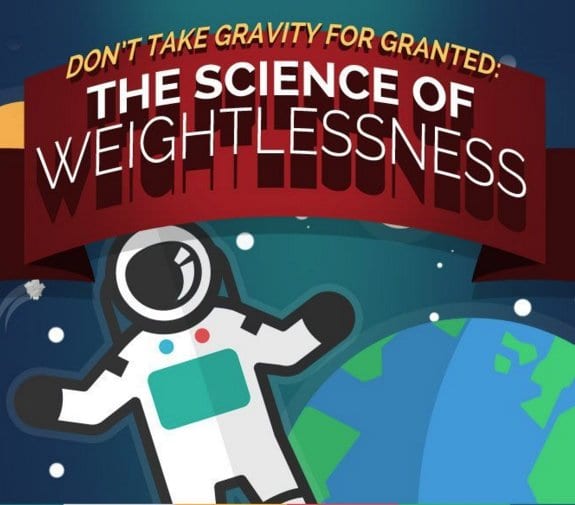
As fun as experiencing no gravity sounds and looks, there can be some unwanted side effects resulting from it. Lean about “The Science of Weightlessness” in this interesting infographic created by Security Scale Service.

How Our Brains And Eyes Work Together

How Our Brains And Eyes Work Together

How Our Brains And Eyes Work Together

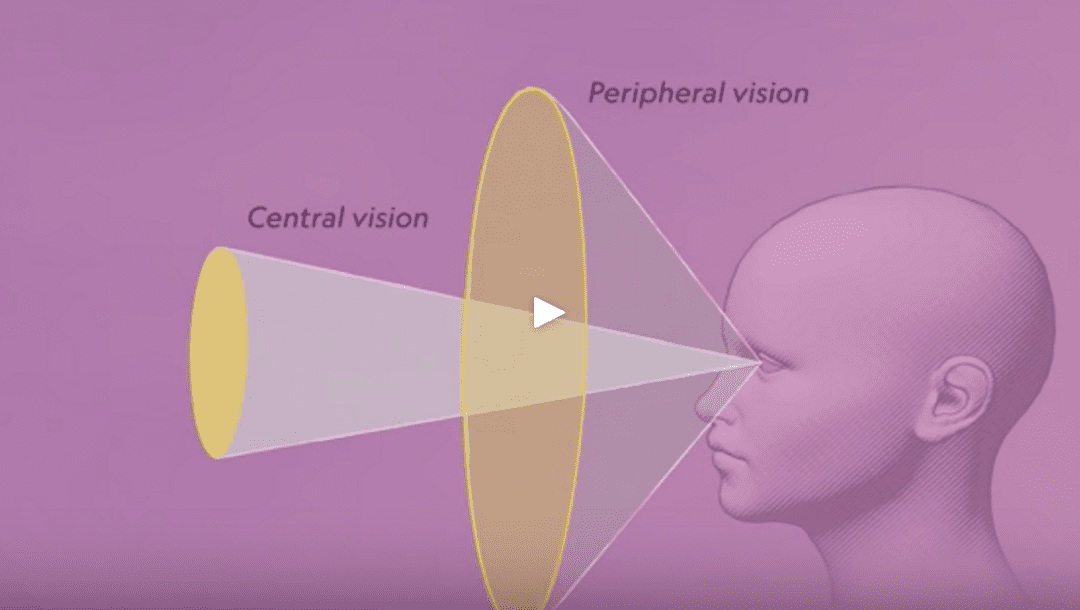
How does an eye work? How do our brains try to interpret the information our eyes send them? And is seeing really believing? This episode of National Geographic‘s Decoder explains how our brains and eyes work together to process the visual information around us, and how our brains help fill in the information we’re missing.

“National Geographic is the world’s premium destination for science, exploration, and adventure. Through their world-class scientists, photographers, journalists, and filmmakers, Nat Geo gets you closer to the stories that matter and past the edge of what’s possible.” Nat Geo

FInd more from National Geographic here: https://www.youtube.com/channel/UCpVm7bg6pXKo1Pr6k5kxG9A

Animals Sleep Habits

Animals Sleep Habits

Animals Sleep Habits

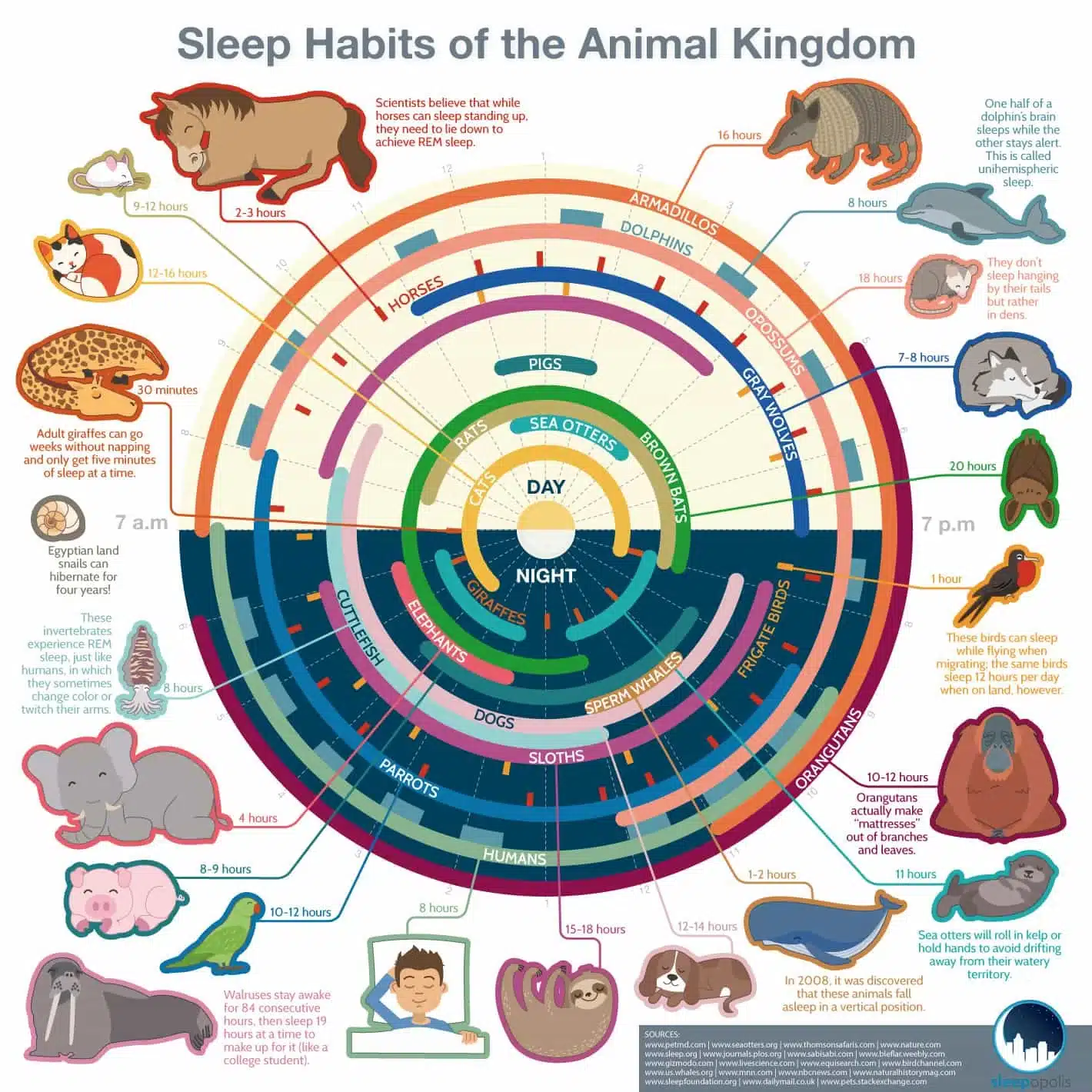
Find out some fun and interesting sleep habits and patterns and the reason behind them in this visual and fun infographic.

Did you know that otters hold hands when they sleep? Or that elephants sleep standing up?

For more cool animal sleep facts check out the below infographic created by Daily Infographic.

“Learn Something New Everyday. At Daily Infographic we strive to curate the most interesting infographics on the web. We scour the internet for data visualizations with the best content and design to bring easily consumed facts and figures to our users.”

Make sure to check out our Learn Category for more neat posts like this!

BONUS JOKE: What do you call a sleeping bull? ANSWER: A bulldozer

If you enjoyed this post and are looking to soak in some knowledge, we suggest checking out:

Learn some cool facts about dogs with Fun Facts About Dogs, or Dog Behaviours Explained.

Or for some astronomy fun, we think you may enjoy this neat infographic 10 Fun Facts About The Sun.

What Makes A Hero?

What Makes A Hero?

What Makes A Hero?

In another interesting video for all ages, Ted-Ed explores what it takes to create & make a hero.

“What trials unite not only Harry Potter or Frodo Baggins but many of literature’s most interesting heroes? And what do ordinary people have in common with these literary heroes? Matthew Winkler takes us step-by-step through the crucial events that make or break a hero.”

This video was created by Ted-Ed.

“TED-Ed’s commitment to creating lessons worth sharing is an extension of TED’s mission of spreading great ideas. Within TED-Ed’s growing library of TED-Ed animations, you will find carefully curated educational videos” Ted Ed

Find more interesting videos from Ted-Ed here: www..youtube.com/channel/UCsooa4yRKGN_zEE8iknghZA

Science Experiments From Sesame Street

Science Experiments From Sesame Street

Science Experiments From Sesame Street

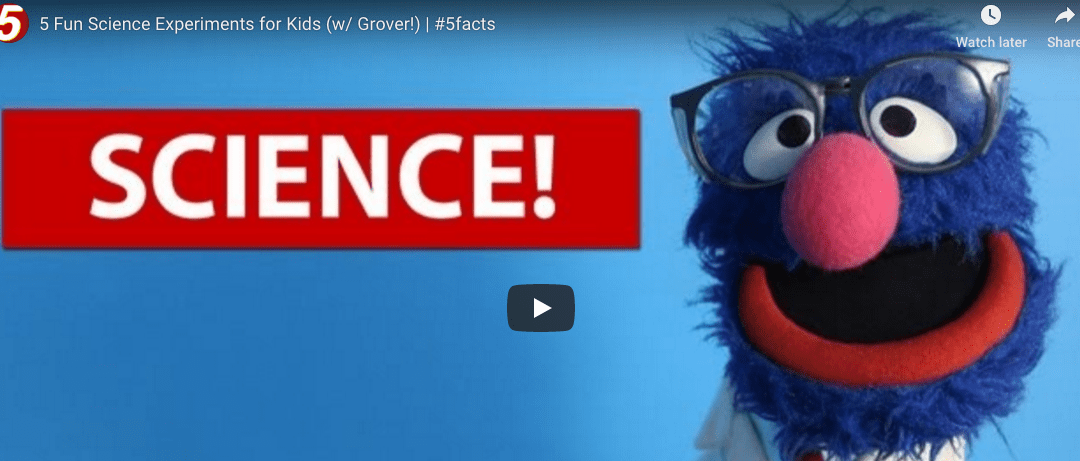
The folks of 5 Facts and Grover teamed up to showcase five simple science experiments kid will love that you can do using things found in your home. Not to mention Grover wearing glasses is good for giggles!

This video was created by 5 Facts and Sesame Street.

For more science activities you can do right in your kitchen, check out: http://sesamestreet.org/stem

For step-by-step instructions on the experiments in the video, go here: http://mashable.com/2013/10/09/scienc…

Were Dinosaurs Bright And Feathered

Were Dinosaurs Bright And Feathered

Were Dinosaurs Bright And Feathered

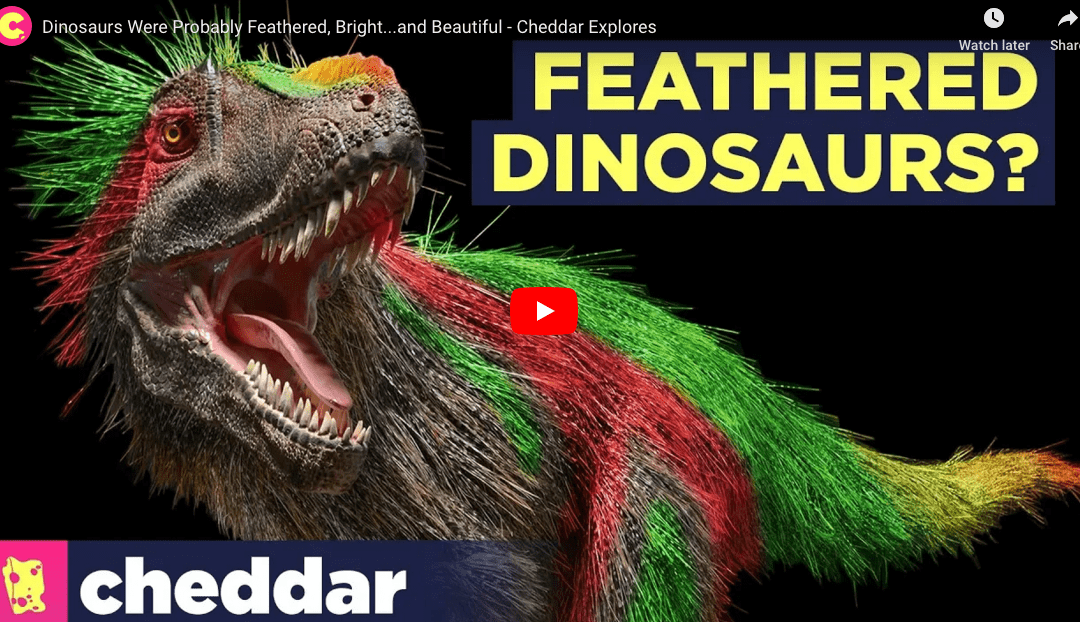
When most of us picture dinosaurs we picture them shades of green and scaly, much like they have been depicted to us over the years in books and films.

New evidence has shown that some of the dinosaurs were actually feathered! There is still much to be debated which dinosaurs looked like what but it sure is fun to wonder!

“Dinosaurs are related to birds and reptiles, so it makes sense that they would share similar traits. But, does that mean dinosaurs also had feathers? Has Jurassic Park been wrong all this time?” Cheddar

This video was created by Cheddar.

“We are a network focused on covering the most interesting topics through the lens of innovation in products, technologies, businesses, services, and ideas that impact us.”

Find more from them here: www.youtube.com/channel/UC04KsGq3npibMCE9Td3mVDg/featured

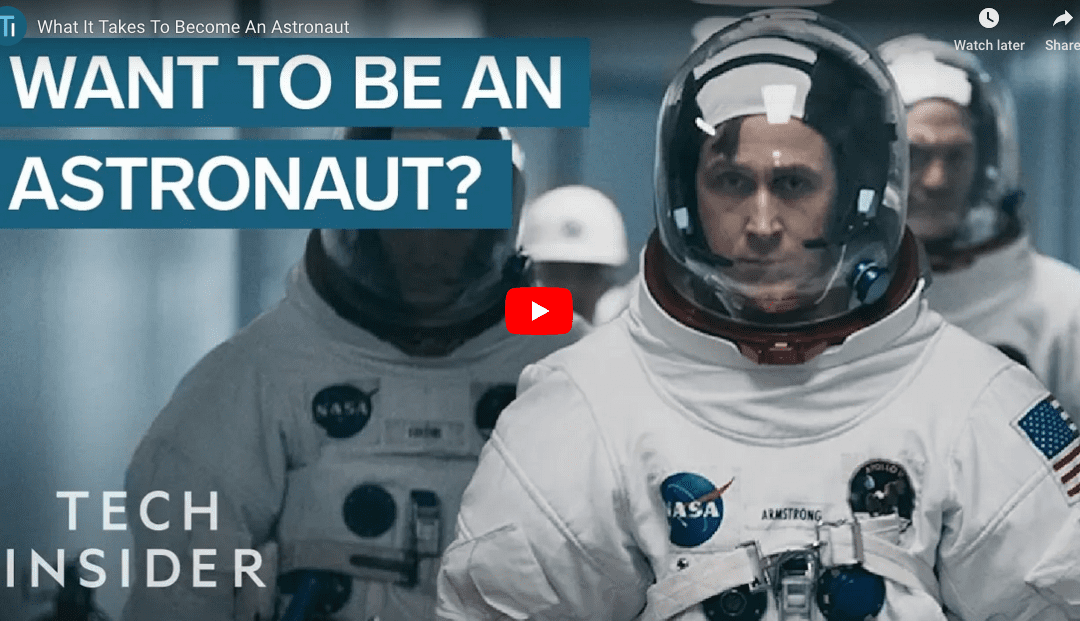
What It Takes To Become An Astronaut

What It Takes To Become An Astronaut

What It Takes To Become An Astronaut

Have you ever wondered if you have what it takes to become an astronaut?

Do you ever look up at the moon and the stars and dream of exploring it?

NASA astronauts have one of the coolest jobs out there. The job that lets you work in space. But getting to that point in your career is no picnic.

This video speaks with NASA astronaut Doug Hurley about what it takes to earn one of the most coveted jobs around.

This video was created by Tech Insider.

“Videos on what you need to know about everything tech: innovation, gadgets, how-to’s, gaming, and more, from the team at Business Insider.”

If you are looking for more bite sized bits of knowledge check out our Fun Facts category!

Its loaded with all kinds of interesting stuff like Life as a NASA Astronaut.

Or perhaps you might be more interested in How Astronauts Sleep in Space.

A Brief History Of Dogs

A Brief History Of Dogs

A Brief History Of Dogs

This short educational video explores a brief history of dogs, and how this special bond between humans and wolves evolved.

Did you know there is evidence supporting humans and dogs have been friends for 15,000 years?

Ever since humans were beginning to build their first settlements, dogs were being domesticated.

“Trace the history of how wolves, one of humanity’s oldest rivals, evolved into the domesticated dogs we call “man’s best friend.” – Ted-Ed

This lesson by David Howe was created by Ted-Ed.

“TED-Ed’s commitment to creating lessons worth sharing is an extension of TED’s mission of spreading great ideas. Within TED-Ed’s growing library of TED-Ed animations, you will find carefully curated educational videos” Ted-Ed

If you are looking for more bite sized bits of knowledge check out our Fun Facts category!

Or if you are looking for a laugh you might enjoy this Invisible Dog Prank.

Or for more history perhaps you might be more interested in Fun Facts About Dogs.

The Future: Underwater Farms

The Future: Underwater Farms

The Future: Underwater Farms

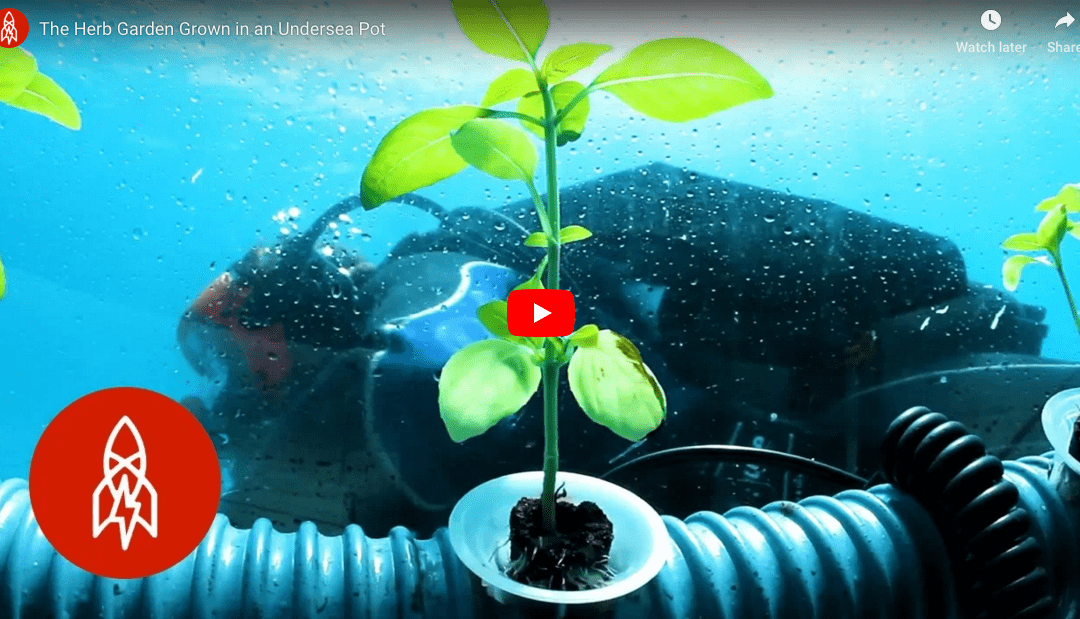
Imagine diving into the Italian Riviera and coming back with a bounty of biosphere basil, tomatoes, herbs, and other plants!
It’s all a part of a science experiment known as Nemo’s Garden. See the future of underwater farms with this neat video by Great Big Story.

“While growing plants underwater might seem strange, it turns out there are a lot of advantages—protection from pests and extreme weather, regulated temperature and access to fresh water as seawater evaporates and re-condenses. Co-creator of the project Luca Gamberini hopes that one day Nemo’s Garden will revolutionize the future of farming and inspire others to grow crops in places they never thought possible.” – Great Big Story

Looking for some more fun facts? Check out our Learn Category.

It’s packed full of interesting infographics and educational videos.

Learn about the History Of Everyday Inventions with this visual infographic.

Or for another educational animation, check out the History Of Salt & Pepper.

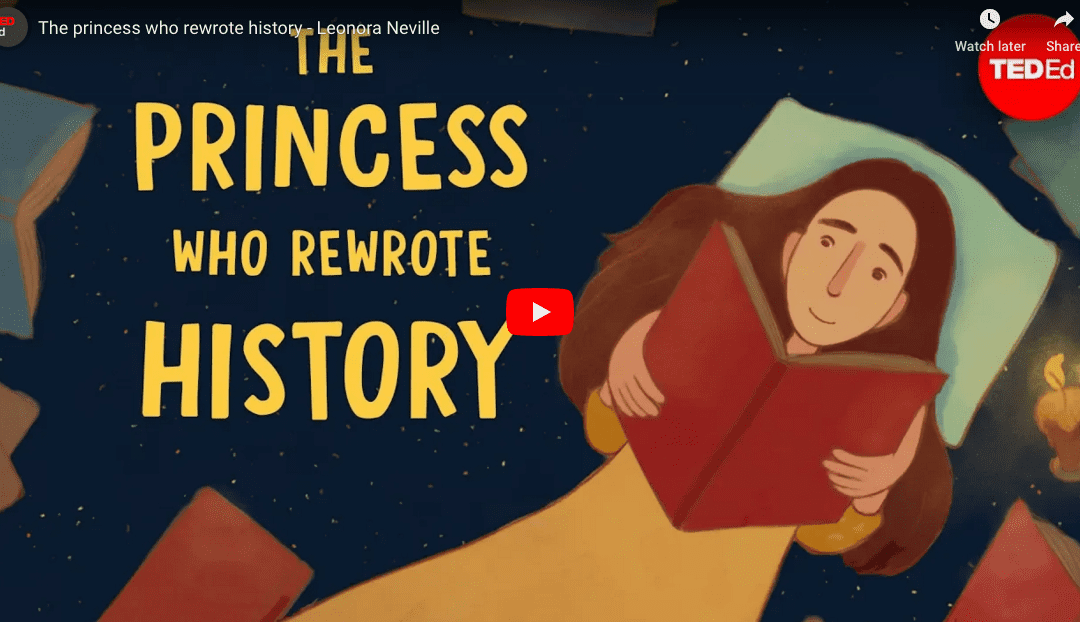
The Princess Who Re-Wrote History

The Princess Who Re-Wrote History

The Princess Who Re-Wrote History

Learn the fascinating true story of a princess Anna Komnene, who re-wrote history in this animated educational video by Ted-Ed

Anna was the daughter of Byzantine emperor Alexios, spent the last decade of her life creating a 500-page history of her father’s reign called “The Alexiad.” As a princess writing about her own family, she had to balance her loyalty to her kin with her obligation to portray events accurately. Leonora Neville investigates this epic historical narrative.

Enjoy this animated history. And learn more with the lesson plan created by Ted-Ed.

Looking for some more fun facts?

Check out our Learn Category.

It’s packed full of interesting infographics & educational videos such as The History Of Color.

For another educational animation, we suggest checking out How Self Driving Cars See.

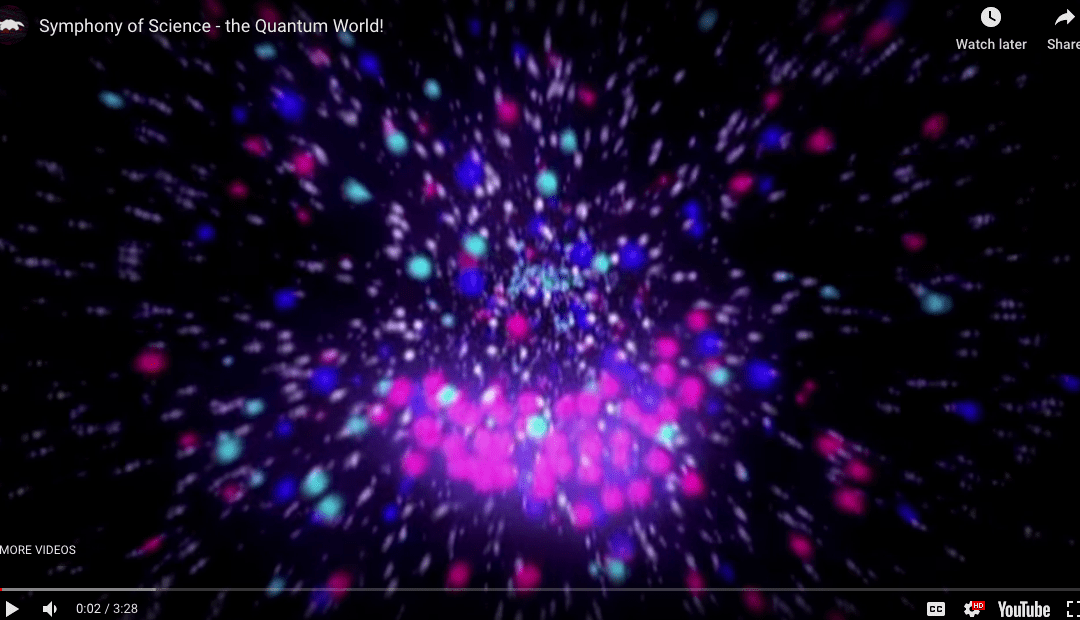
The Quantum World

The Quantum World

Symphony Of Science: The Quantum World

The Quantum World is an entertaining educational music video that explores the nature of atoms and subatomic particles Also known as:

The jiggly things that make up everything we see”.

Featuring Morgan Freeman, Stephen Hawking, Michio Kaku, Brian Cox, Richard Feynman, and Frank Close. Find the materials used in the creation of this video at Symphony Of Science.

This video was created by Quantum Science. Check them out for more amazing videos!

“Symphony of Science is a view of our universe through the prism of music.” – Quantum Science

Looking to learn more?

Check out our Super Science Category!

Learn about environmental issues with Helping Our Planet.

Or, learn about Seasons In Outer Space with this neat video!

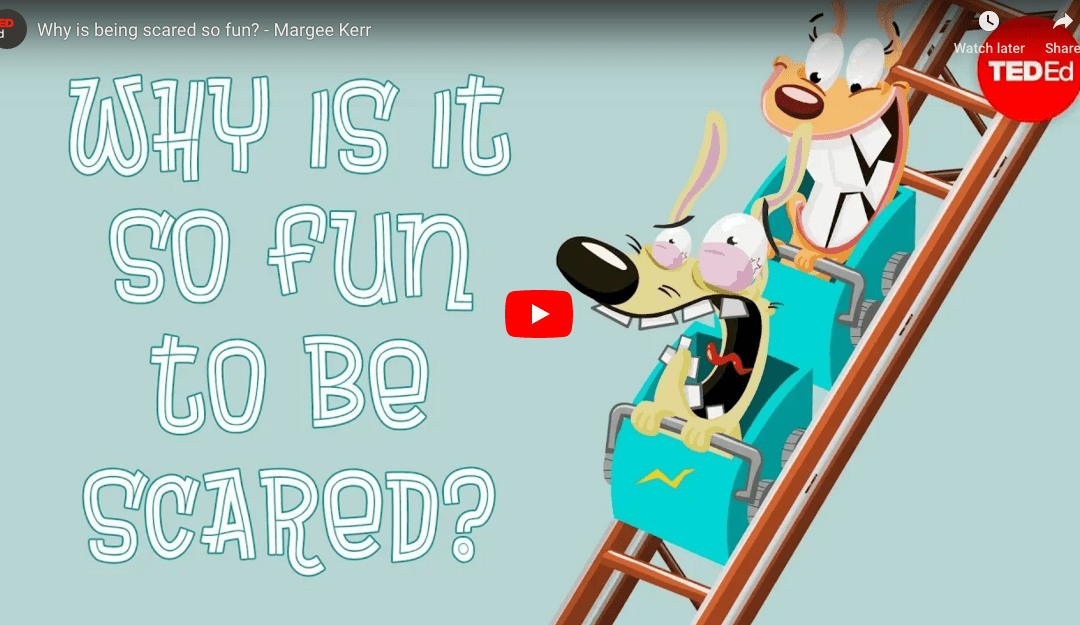
Learn Why Some People Like Being Scared

Learn Why Some People Like Being Scared

Learn Why Some People Like Being Scared

At this very moment, people are lining up somewhere to scare themselves, be it with a thrill-ride or a horror movie. In fact, in October of 2015 alone, about 28 million people visited a haunted house in the US. But you might wonder: What could possibly be fun about being scared? Margee Kerr examines the biology and psychology behind what makes fear so fun.

Lesson by Margee Kerr, animation by Meduzaz animation studio for Ted-Ed.

“:ED-Ed’s commitment to creating lessons worth sharing is an extension of TED’s mission of spreading great ideas. Within TED-Ed’s growing library of TED-Ed animations, you will find carefully curated educational videos.”

Find more short educational videos from TED Ed here: https://ed.ted.com/

The Secret World Of Sand

The Secret World Of Sand

The Secret World Of Sand

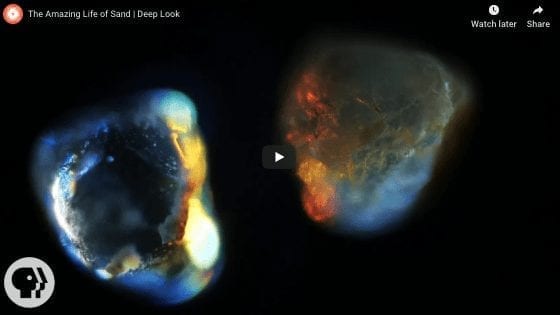
Discover the amazing & fascinating secret world of sand with this cool educational video by Deep Look that takes microscopic looks at sand!

By studying the composition and texture of sand, geologists can reconstruct its incredible life history.

“There’s a story in every grain of sand: tales of life and death, fire and water. If you scooped up a handful of sand from every beach, you’d have a history of the world sifting through your fingers.” – Deep Look

FIVE FUN FACTS ABOUT SAND
1.) The unique shape of a piece of sand can help determine its source and age
2.) Some individuals collect samples of sand as a hobby, and these people are called ‘arenophiles’.
3.) Sand can be composed of a variety of items, including particles of calcium carbonate, coral, quartz, and shellfish
4.) The color of sand varies greatly, depending on its location and the rocks and minerals that make up the particles
5.) The tallest sculpture towered almost 50ft in height. It took 10 days to build; the longest stretched for over 16 miles.

“Sand can be anything that has been worn down until it’s reduced to some tiny, essential fragment of what it once was: a granite pebble from the mountains; coral from the sea; obsidian from a volcano; even skeletons of microscopic sea animals. It’s also a technical term.” – Deep Look

Looking for more science experiments?

Check out our Super Science Category!

It’s packed full of cool science experiments like How To Make A Soap Cloud.

Or for another educational video, check out How Igloos Stay Warm.